Queen Nadia: Society, Immorality, Fame & Background
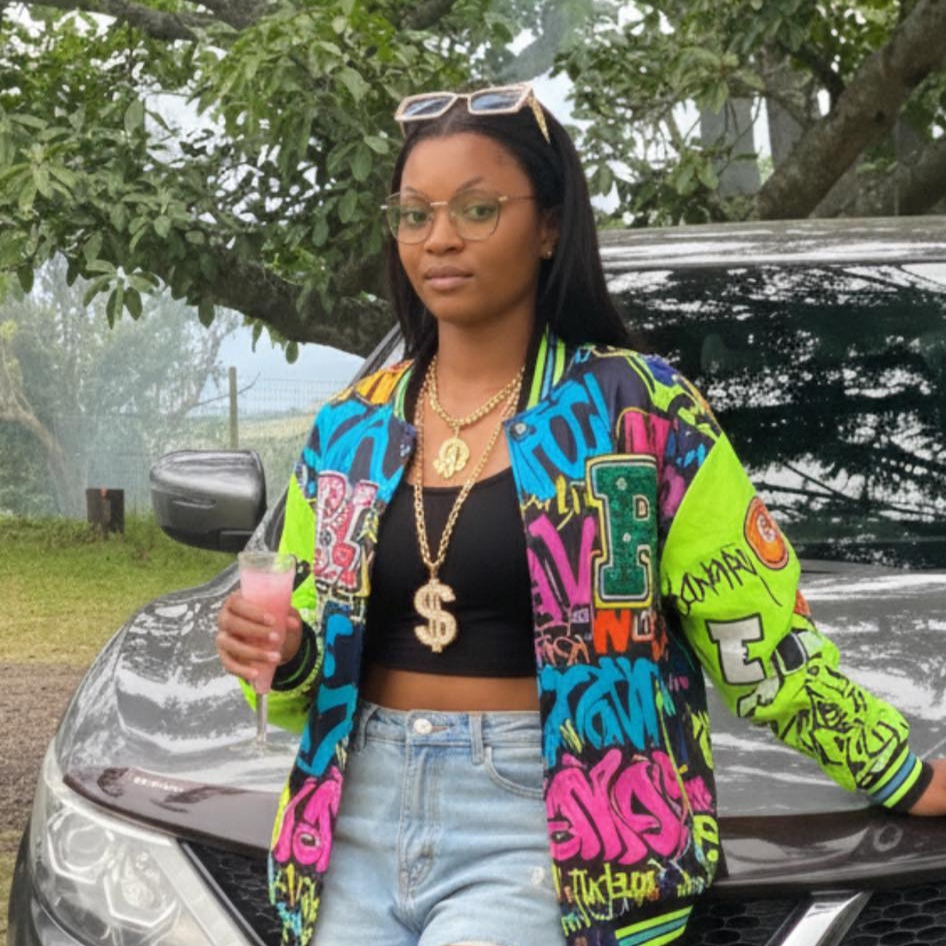
Every now and then, people trend on social media for one reason or another, but the recent trend involving Queen Nadia has left many questioning our societal morality and sense of belonging, especially as Africans.
AdvertisementBackground
Queen Nadia, who hails from Zimbabwe, is a single mother of one. Coming from a poor family, she struggled to access basic amenities. Coupled with the responsibility of raising a child, she turned to social media as a means of earning a legitimate income.
She fully ventured into social media content creation in 2024 and was able to build a massive following. At the time, her content was more extreme than what it is now. Eventually, her page was banned, causing her to lose thousands of followers she had worked hard to build.
Undeterred, she opened another account in November 2025 and continued creating content. This time, her posts were less extreme and inappropriate, with added elements of comedy, skits and acting. The videos, which were both entertaining and provocative, brought her the attention she sought. She reportedly reached 140 million people, accumulated 1.2 billion streams, and gained an impressive three million followers.
However, this fame did not come from producing educational or skill based content. Instead, it stemmed largely from her dressing style. Although it often appears moderate, she frequently employs a tactic of lifting her gowns, which draws attention from viewers across social media.
One could argue that this is her strategy for gaining popularity online, and she is certainly not the first to do so. However, with an influence of about three million followers, she is sending a message to young girls that revealing parts of their bodies for financial gain is acceptable. This raises an important question about the direction society is heading.
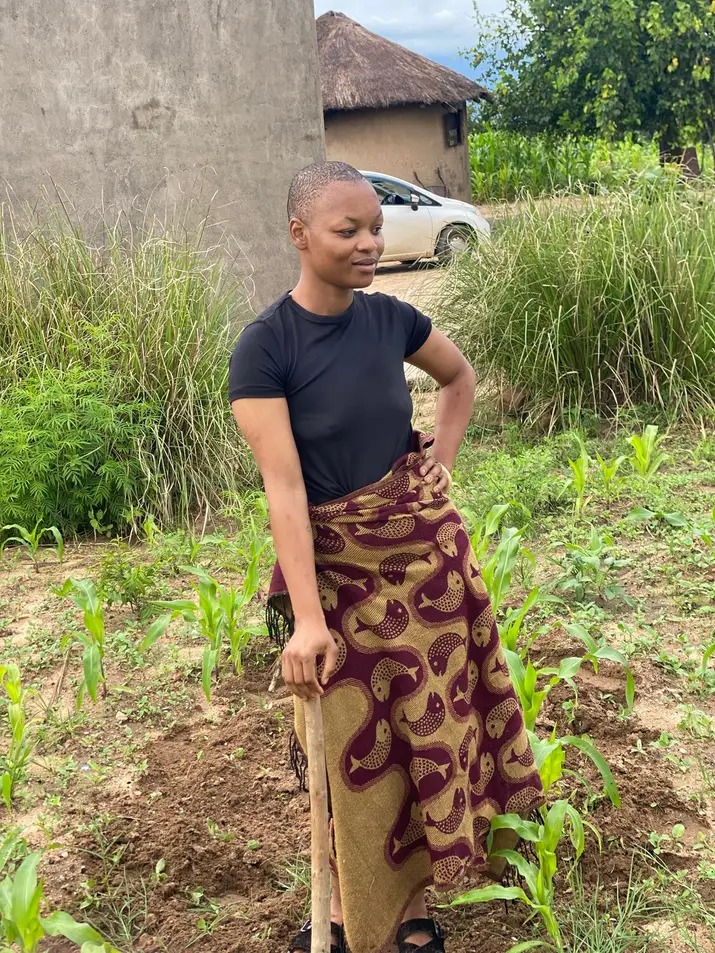
Call for a Ban
While some people find her content amusing, many users have reported her page. Facebook administrators, however, rejected the reports, stating that she is not violating any platform rules.
Zimbabwe Government Response
The Broadcasting Authority of Zimbabwe (BAZ) has raised concerns over explicit digital content circulating on social media and being accessed by local audiences, including children. In a recent press statement, BAZ emphasized that freedom of expression in Zimbabwe must be exercised responsibly and within the confines of the law. Citing the Constitution, the Broadcasting Services Act, and the Censorship and Entertainment Control Act, the authority reaffirmed that children have the right to be protected from content that may harm their moral and psychological development.
Leave a Comment